How People and Horses Stay
Calm
The ability to manage your emotions and remain calm
under pressure has a direct link to your
performance.
The tricky thing about stress (and
the anxiety that comes with it) is that it’s an absolutely necessary emotion.
Our brains are wired such that it’s difficult to take action until we feel at
least some level of this emotional state. In fact, performance peaks under the
heightened activation that comes with moderate levels of stress. As long as the
stress isn’t prolonged, it’s harmless.
I think intermittent stressful events
are probably what keeps the brain more alert, and you perform better when you
are alert. For animals, intermittent
stress is the bulk of what they experience, in the form of physical threats in
their immediate environment. Long ago, this was also the case for humans. As
the human brain evolved and increased in complexity, we’ve developed the
ability to worry and perseverate on events, which creates frequent experiences
of prolonged stress.
Appreciate What You Have
Taking time to contemplate what
you’re grateful for isn’t merely the “right” thing to do. It also improves your
mood, because it reduces the stress hormone cortisol by 23%. Research found that people who worked daily to
cultivate an attitude of gratitude experienced improved mood, energy, and
physical well-being. It’s likely that lower levels of cortisol played a major
role in this.
Avoid Asking “What If?”
“What if?” statements throw fuel on
the fire of stress and worry. Things can go in a million different directions,
and the more time you spend worrying about the possibilities, the less time
you’ll spend focusing on taking action that will calm you down and keep your
stress under control. Calm people know that asking “what if? will only take
them to a place they don’t want—or need—to go.
Stay Positive
Positive thoughts help make stress
intermittent by focusing your brain’s attention onto something that is
completely stress-free. You have to give your wandering brain a little help by
consciously selecting something positive to think about. Any positive thought
will do to refocus your attention. When things are going well, and your mood is
good, this is relatively easy. When things are going poorly, and your mind is
flooded with negative thoughts, this can be a challenge. In these moments,
think about your day and identify one positive thing that happened, no matter
how small. If you can’t think of something from the current day, reflect on the
previous day or even the previous week. Or perhaps you’re looking forward to an
exciting event that you can focus your attention on. The point here is that you
must have something positive that you’re ready to shift your attention to when
your thoughts turn negative.
Disconnect
Given the importance of keeping
stress intermittent, it’s easy to see how taking regular time off the grid can
help keep your stress under control. When you make yourself available to your
work 24/7, you expose yourself to a constant barrage of stressors. Forcing
yourself offline and even—gulp!—turning off your phone gives your body a break
from a constant source of stress. Studies have shown that something as simple
as an email break can lower stress levels.
Technology enables constant
communication and the expectation that you should be available 24/7. It is
extremely difficult to enjoy a stress-free moment outside of work when an email
that will change your train of thought and get you thinking (read: stressing)
about work can drop onto your phone at any moment. If detaching yourself from
work-related communication on weekday evenings is too big a challenge, then how
about the weekend? Choose blocks of time where you cut the cord and go offline.
You’ll be amazed at how refreshing these breaks are and how they reduce stress
by putting a mental recharge into your weekly schedule. If you’re worried about
the negative repercussions of taking this step, first try doing it at times
when you’re unlikely to be contacted—maybe Sunday morning. As you grow more
comfortable with it, and as your co-workers begin to accept the time you spend
offline, gradually expand the amount of time you spend away from technology.
Sleep
I’ve beaten this one to death over
the years and can’t say enough about the importance of sleep to increasing your
emotional intelligence and managing your stress levels. When you sleep, your
brain literally recharges, shuffling through the day’s memories and storing or
discarding them (which causes dreams), so that you wake up alert and clear-headed.
Your self-control, attention, and memory are all reduced when you don’t get
enough—or the right kind—of sleep. Sleep deprivation raises stress hormone
levels on its own, even without a stressor present. Stressful projects often
make you feel as if you have no time to sleep but taking the time to get a
decent night’s sleep is often the one thing keeping you from getting things
under control.
How do we keep our horses calm?
Looking at stress and anxiety from
your horses’ point of view there are a lot of similarities.
Have you just bought him is he
missing old friends, routines, areas he knows and feels safe in. Do you make him feels secure does he trust
you to keep him safe?
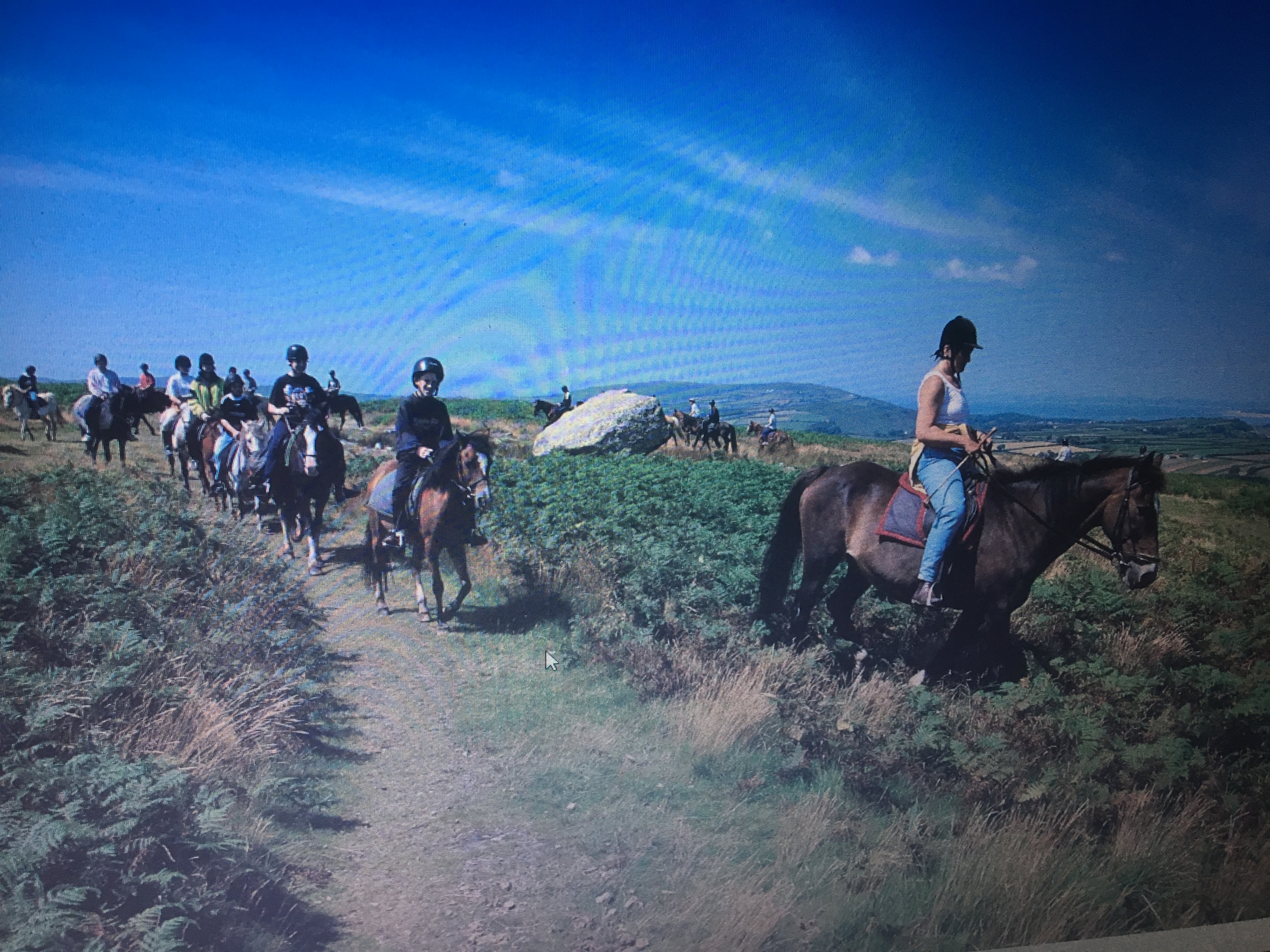
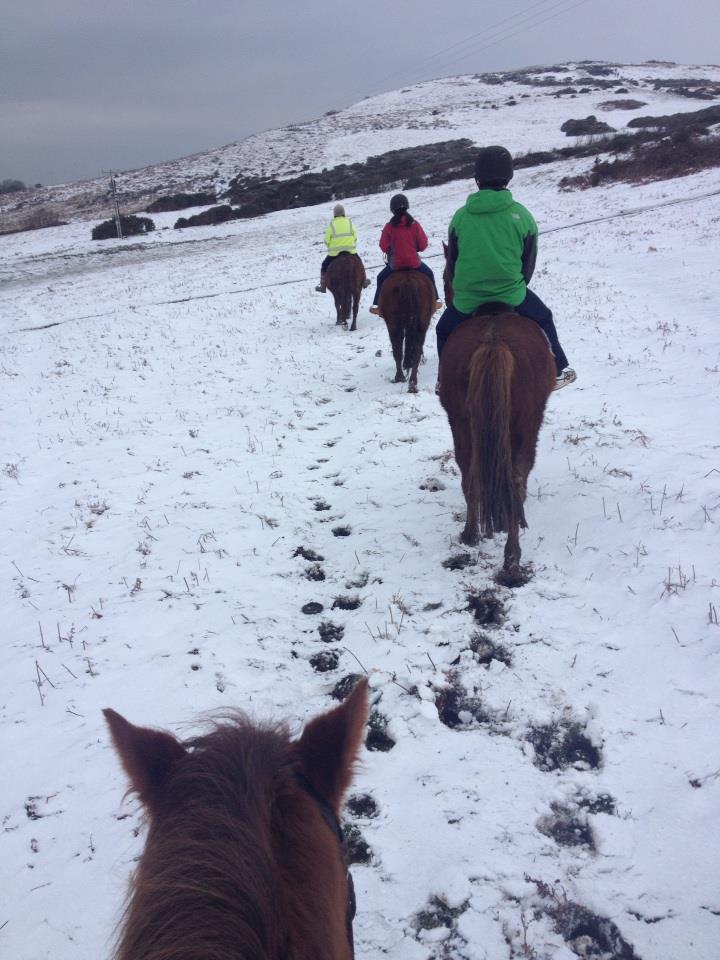
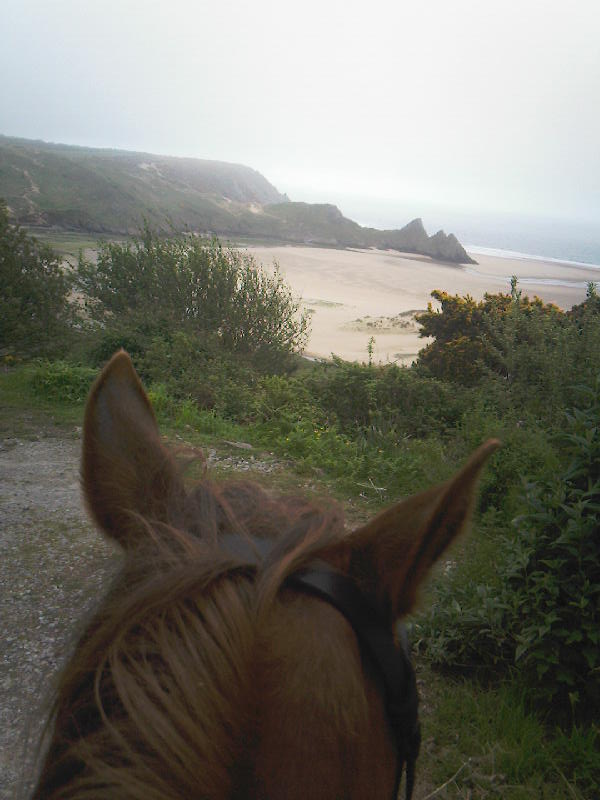
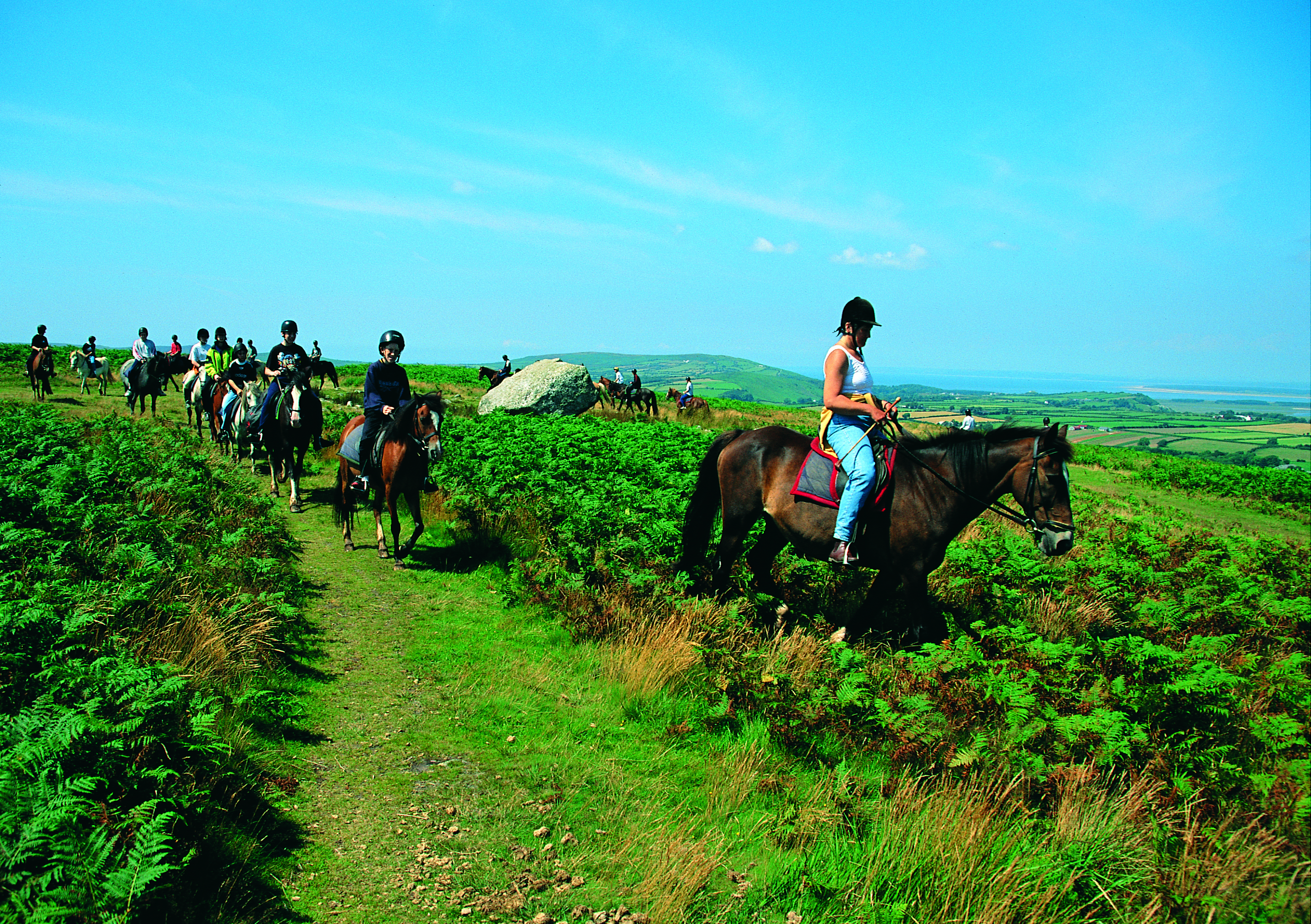
Is your horse nervous when asked to ride out? Is his napping about leaving the yard really meaning he is he worried about leaving his comfort zone, his safe place?
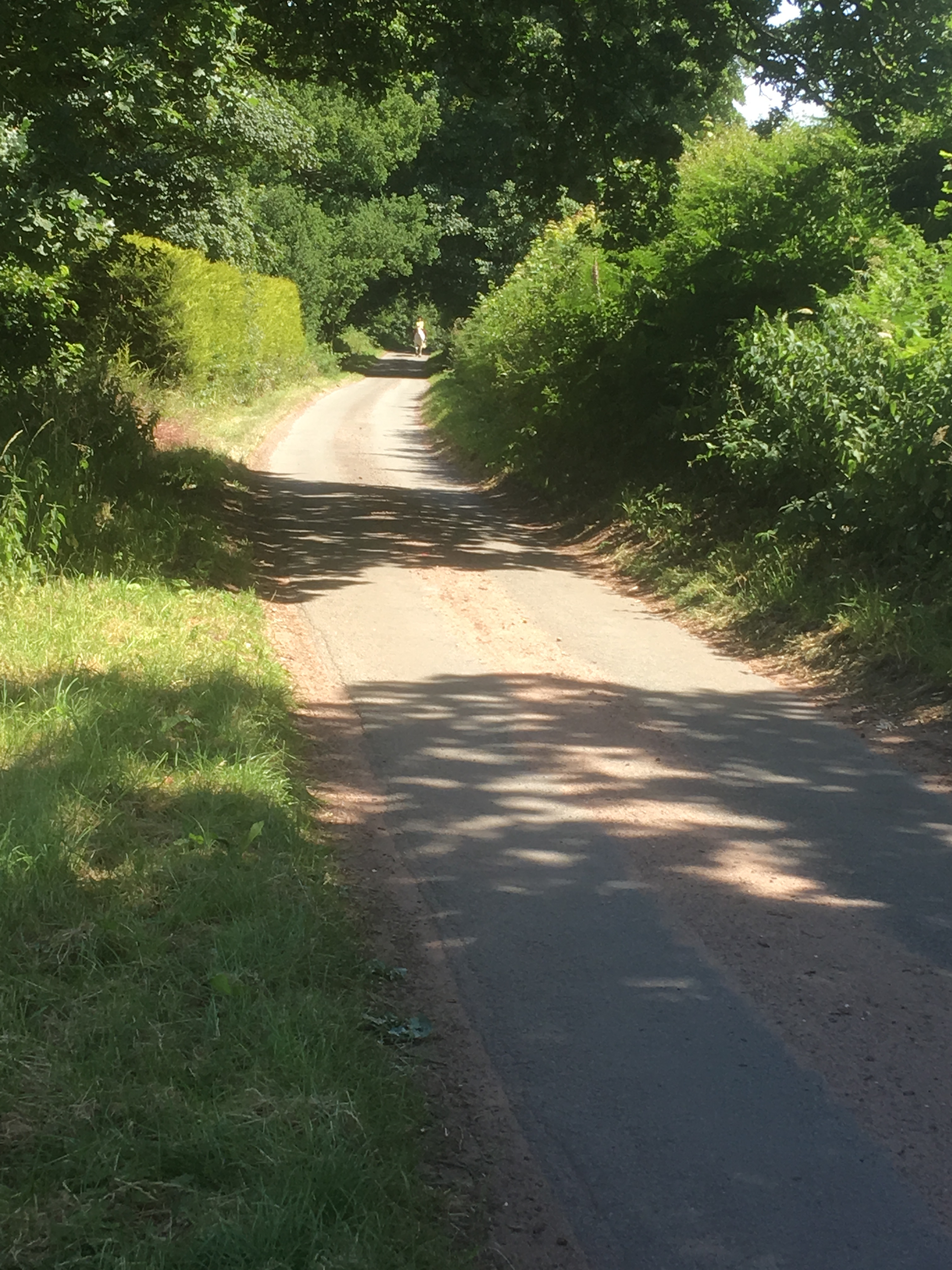
Is he napping about going along that dark (even in sunshine) sunken lane, over hung by trees, really because he can see no escape if dragons are down there and he does not have confidence in your support to keep him safe.
Does he get upset when you stand in a gateway to let a tractor go by maybe he is not upset by the tractor but more by the fact that as the tractor goes passed, he can see no escape area. Gate is closed on one side hedge in front and behind and big noisy tractor to the other side he is boxed in, with nowhere to go
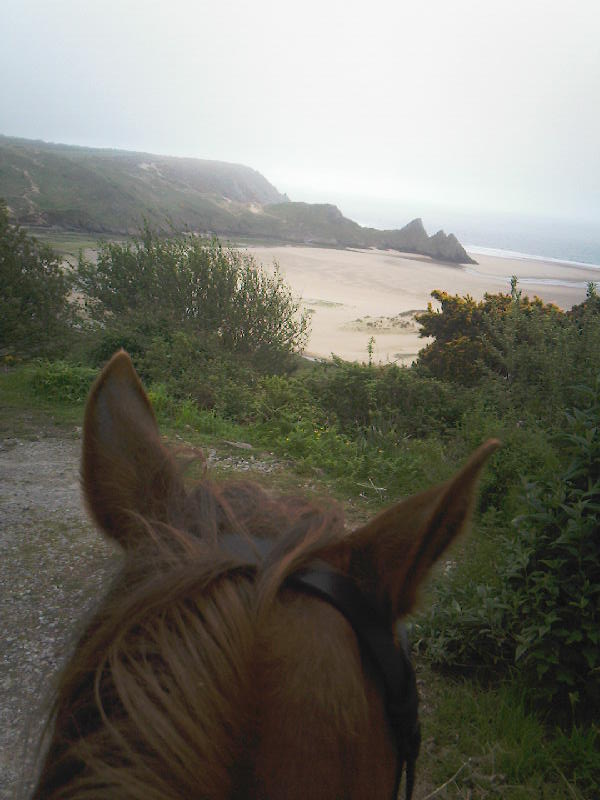
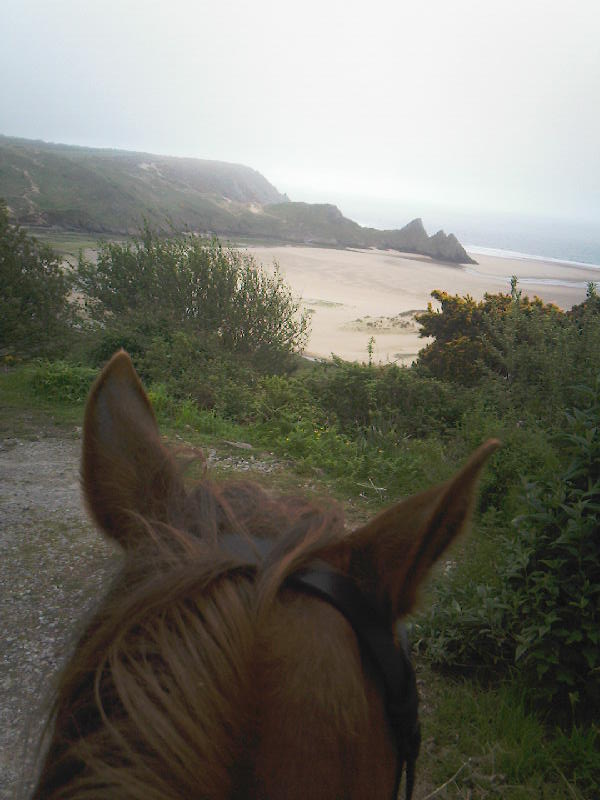
Is he suddenly happy when you reach the top of the hill on the lane and he can see all around, he is up high and can see anything coming does he suddenly feel calm?
Is there an indoor school he doesn’t behave
well in – Is it low, is it dark, perhaps he’s feeling claustrophobic the same
as that dark low lane.
Does he have constant access to food e.g.
grass or hay or does he appear to gobble his feed? Is he wondering when he will see food again
so he had better eat as much as he can now?
Is HE getting enough sleep? Sleep deprivation can be an important scenario in a horse’s life just the same as ours. Why doesn’t he sleep? Perhaps he does not feel safe especially if he is on his own you will often see a group of horses lying down sleeping whilst one or two are standing – they are keeping guard. Would you like to sleep in an open field in the middle of nowhere on your own? Does he have a nice cosy deep bed or is he on a rubber matt. Nothing wrong with a mat but does it feel cosy. Would he be like us and want to snuggle down in a nice bed of straw or shavings
If this is your normal riding out
scenario he is going to anticipate when you start tacking up and you are going
to start feeling anxious before you even mount up. Especially if he doesn’t stand for you to
mount and do your pre-ride checks e.g. stirrups, girth.
Your horse must feel that you are
looking out for him if he does not think you have risk assessed what you are
asking him to do, he will risk assess it himself and that generally means high
risk don’t do it.
Do not ride with a What If attitude,
you should ride with a Stay Positive attitude. Disconnect from your daily problems
focus on your ride let your horse know that you are aware and have risk
assessed for any possible problems. If you
are riding worrying about what to cook for dinner tonight, when to go shopping,
you must be home before the children get home, you are not noticing that your
horse is floundering around looking for support before he goes down that dark
overhung lane and who is looking out for the dragons (otherwise known as
pheasants and squirrels) that are going to jump out at him.





 Dee Handley BET CM BHS APC